Why Your Tennis Elbow Isn’t Actually an Elbow Problem (And How to Finally Fix It)


It starts as a dull ache. Maybe it’s a twinge when you lift your coffee cup, or a sharp pull when you turn a doorknob. You’ve been told it’s “Tennis Elbow” lateral epicondylitis. You’ve tried the braces, the ice packs, maybe even an injection.
But the pain keeps coming back. Why?
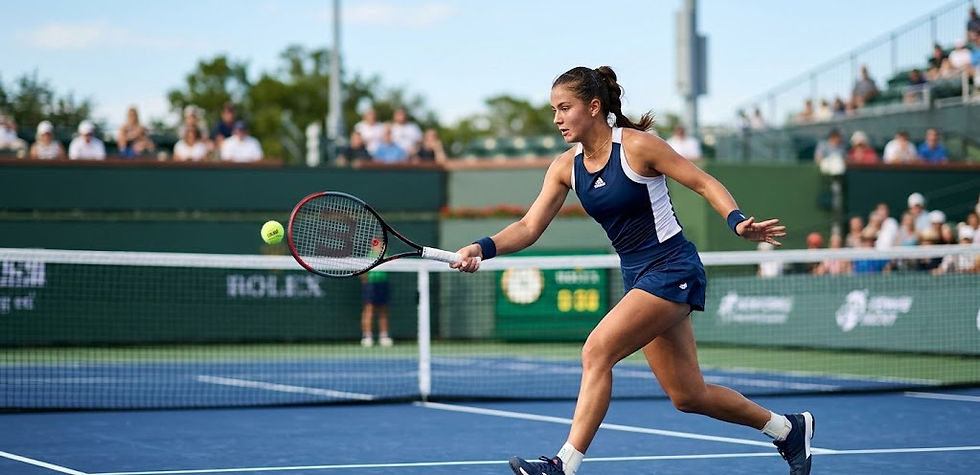
Because you aren’t treating the cause; you’re treating the symptom.
In the vast majority of modern cases especially for those who don’t even play tennis, tennis elbow is not an overuse injury of the forearm. It is a misuse injury caused by long-term degeneration elsewhere in your body.
If you are a sedentary professional or an athlete relying on bad exercise habits, your elbow is simply the weakest link finally breaking under the strain of your lifestyle. Here is the uncomfortable truth about why your elbow hurts, and the functional training approach to fix it.

The Kinetic Chain Breakdown: How Your Body Fails Your Elbow
Think of your body as an orchestra. For you to pick something up, twist a racket, or even type, your entire body must coordinate. This is the “kinetic chain.” When one instrument is out of tune, the rest must work harder to compensate.
In modern life, our "orchestra" is falling apart due to sedentary habits. Your elbow pain is actually the result of upstream and downstream failure.

1. The Downstream Failure: Losing Leg Strength to Ground
Power does not start in the wrist. Power starts from the ground. In a healthy movement (like a tennis swing or even lifting a heavy box), energy is transferred from the legs, through the core, to the arm.
Because of a sedentary lifestyle sitting at desks, in cars, on couches, most of us have severely weakened glutes, hamstrings, and quads. When you lack "leg-to-ground" connection, your body cannot generate force from the bottom up. Consequently, your tiny forearm muscles are forced to become the primary generators of force, a job they are not designed to do. They overload, and the tendon degenerates.

2. The Upstream Failure: Poor Spine Mobility & Stability
Your spine, specifically your thoracic spine (upper/mid-back), is designed to rotate and move. Your lumbar spine (lower back) is designed for stability. Modern life flips this model. Sitting rounds our shoulders, locking the thoracic spine.
If your upper back cannot rotate to absorb and transfer energy, that movement has to happen somewhere else. Often, the lumbar spine loses stability, or more relevant to you, the force is transferred violently down the arm to the elbow joint. Without a mobile and stable trunk, your elbow is taking the hits your trunk should be handling.

3. The Integration Failure: Shoulder Blade (Scapula) Disconnection The scapula is the foundation of your arm. It must attach solidly to the ribcage to provide a stable base for the shoulder and arm to rotate.
Bad exercise practices (like over-focusing on "mirror muscles" like chest and biceps) and desk posture lead to dominant, tight chests and weak, passive back muscles. Your shoulder blades become "disconnected" from your trunk. When the scapula isn't stable, the forearm muscles must over-contract just to keep the arm joint together during movement. This chronic, low-level strain is what leads to long-term tendon degeneration.

Why Traditional Treatments Fail
Braces, rest, and anti-inflammatories are designed for acute inflammation. Chronic tennis elbow isn’t inflammation; it’s tendinopathy (tendon degeneration).
You cannot rest your way out of degeneration. If you do not address the weak legs, the locked spine, and the passive shoulder blades, as soon as you return to activity, the same force patterns will destroy the tendon again.

The Solution: Relearning Movement Through Functional Training
To fix the elbow, you must fix the body. The solution is functional training: exercise designed to teach your muscles to work together again.
1. Reconnect to the Ground: Prioritize full-body compound movements like squats, lunges, and deadlifts. The goal is to build leg strength and teach your body to generate force from the ground up, sparing your forearm.
2. Mobilise the Trunk: Incorporate thoracic rotation stretches and core stability exercises (like planks or Bird-Dog) to ensure your torso can handle force, rather than passing it to your joints.
3. Integrate the Scapula: Strengthen the upper back and the serratus anterior (the muscles under your armpit) with exercises like rowing variations and push-up plus. You must teach your shoulder blade to create a stable anchor for your arm.
Stop chasing the pain. Your elbow is crying out because the rest of your body is lazy. By embracing a functional training approach, you don’t just fix your elbow, you build a resilient, strong, and pain-free body.
Ready to repair your kinetic chain? Book a personalised movement assessment to discover today!
Founder of Kinetic Strength Coaching (Singapore)
T Kirtan
Master Functional Trainer
Rehabilitation Specialist


Comments